Building a Custom Home in North Vancouver: A Step-by-Step Guide
For many families, building a custom home in North Vancouver is the ultimate way to create a space that perfectly suits their lifestyle. Whether you’re purchasing a building lot, redeveloping an older home, or planning your forever home, understanding the process can help you avoid costly surprises and make informed decisions.
While every project is unique, most custom homes follow a similar path from the initial idea to move-in day. Here’s what to expect.
Step 1: Find the Right Property
Everything starts with the land.
Not every lot is equally suited for a custom home, especially on the North Shore where steep slopes, streams, mature trees, and environmental regulations can significantly impact what can be built.
Before purchasing a property, it’s important to evaluate:
- Zoning regulations
- Lot dimensions and setbacks
- Floor Space Ratio (FSR)
- Easements and rights-of-way
- Geotechnical considerations
- Utility servicing
- Development Permit requirements (if applicable)
Many buyers make the mistake of falling in love with a property before understanding its development potential. Working with an experienced Realtor who understands redevelopment opportunities can save both time and money.
Step 2: Assemble Your Team
Building a custom home is a collaborative process.
Your team will typically include:
- Realtor
- Architect or residential designer
- Custom home builder
- Structural engineer
- Geotechnical engineer
- Surveyor
- Landscape designer
- Interior designer (optional)
Many homeowners choose to bring in a builder early in the design process. This allows construction costs and buildability to be considered before plans are finalized, often reducing expensive design changes later.
Step 3: Establish Your Budget
Before designing your dream home, determine what you want to invest.
Your budget should include:
- Land acquisition
- Demolition (if required)
- Design and engineering
- Municipal fees and permits
- Construction costs
- Landscaping
- Appliances
- Driveways and fencing
- Contingency (typically 10–15%)
One of the biggest mistakes homeowners make is spending their entire budget on construction without accounting for soft costs and unexpected expenses.
Step 4: Design Your Home
This is where the exciting part begins.
Working with your architect, you’ll create a home tailored to your family’s needs, lifestyle, and future plans.
Consider:
- Number of bedrooms
- Home office space
- Aging-in-place features
- Rental suite potential
- Outdoor living areas
- Energy efficiency
- Storage
- Parking
Your architect will develop concept drawings before moving into detailed construction plans.
Step 5: Engineering and Technical Design
Once the design is complete, consultants prepare the technical drawings required for permitting.
Depending on the property, this may include:
- Structural engineering
- Geotechnical reports
- Energy modelling
- Stormwater management
- Arborist reports
- Environmental studies
- Civil engineering
North Vancouver properties often require more technical review than homes in flatter municipalities because of the area’s topography and environmental considerations.
Step 6: Submit for Municipal Approval
Once your drawings are complete, your design team submits the required applications.
Depending on your property, this may include:
- Development Permit
- Building Permit
- Demolition Permit
- Tree Permit
- Plumbing, electrical, and gas permits
Municipal review times vary based on project complexity, but new custom homes in North Vancouver commonly spend many months in the approval process before construction begins. The City notes average processing times for new construction of roughly 11–12 months, though timelines vary depending on project scope and application completeness. Patience during this stage is essential.
Step 7: Demolition and Site Preparation
Once permits are issued, construction officially begins.
Typical site preparation includes:
- Utility disconnects
- Tree protection fencing
- Demolition
- Excavation
- Soil removal
- Site servicing
- Foundation preparation
Only after this work is complete does construction begin above ground.
Step 8: Build the Structure
This is the stage most people picture when they think of building a home.
Major milestones include:
- Foundation
- Framing
- Roof
- Windows and doors
- Exterior cladding
- Mechanical rough-ins
- Electrical
- Plumbing
- Insulation
- Drywall
Throughout construction, municipal inspections occur at various stages to ensure the home complies with approved plans and the BC Building Code.
Step 9: Interior Finishing
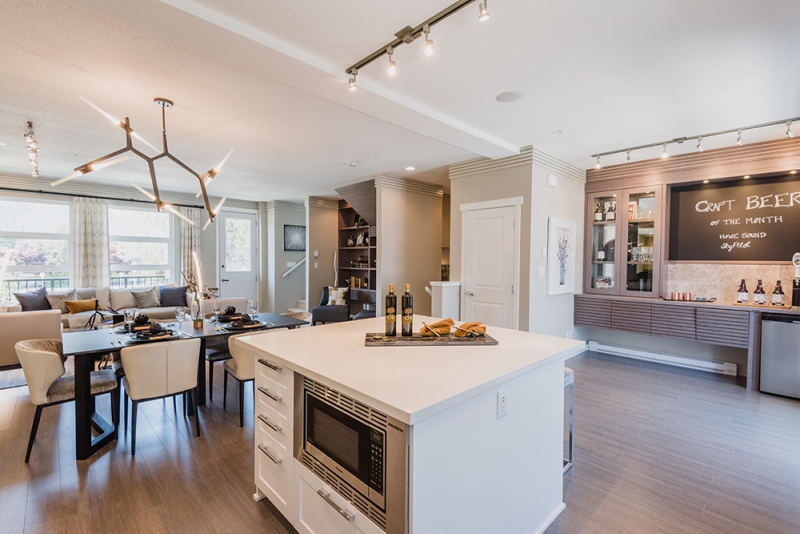
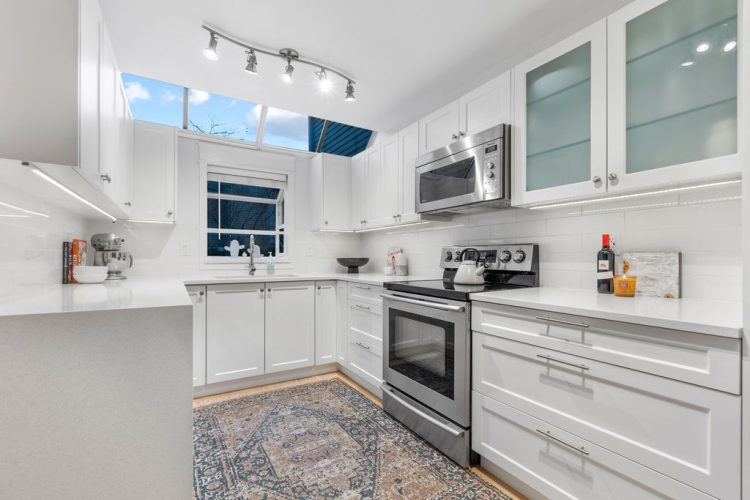
Once the structure is complete, attention shifts to the finishes that make your home unique.
These include:
- Flooring
- Cabinetry
- Countertops
- Paint
- Lighting
- Tile
- Plumbing fixtures
- Interior doors
- Appliances
- Millwork
This stage often feels like the fastest because homeowners can finally see their vision coming together.
Step 10: Landscaping and Exterior Completion
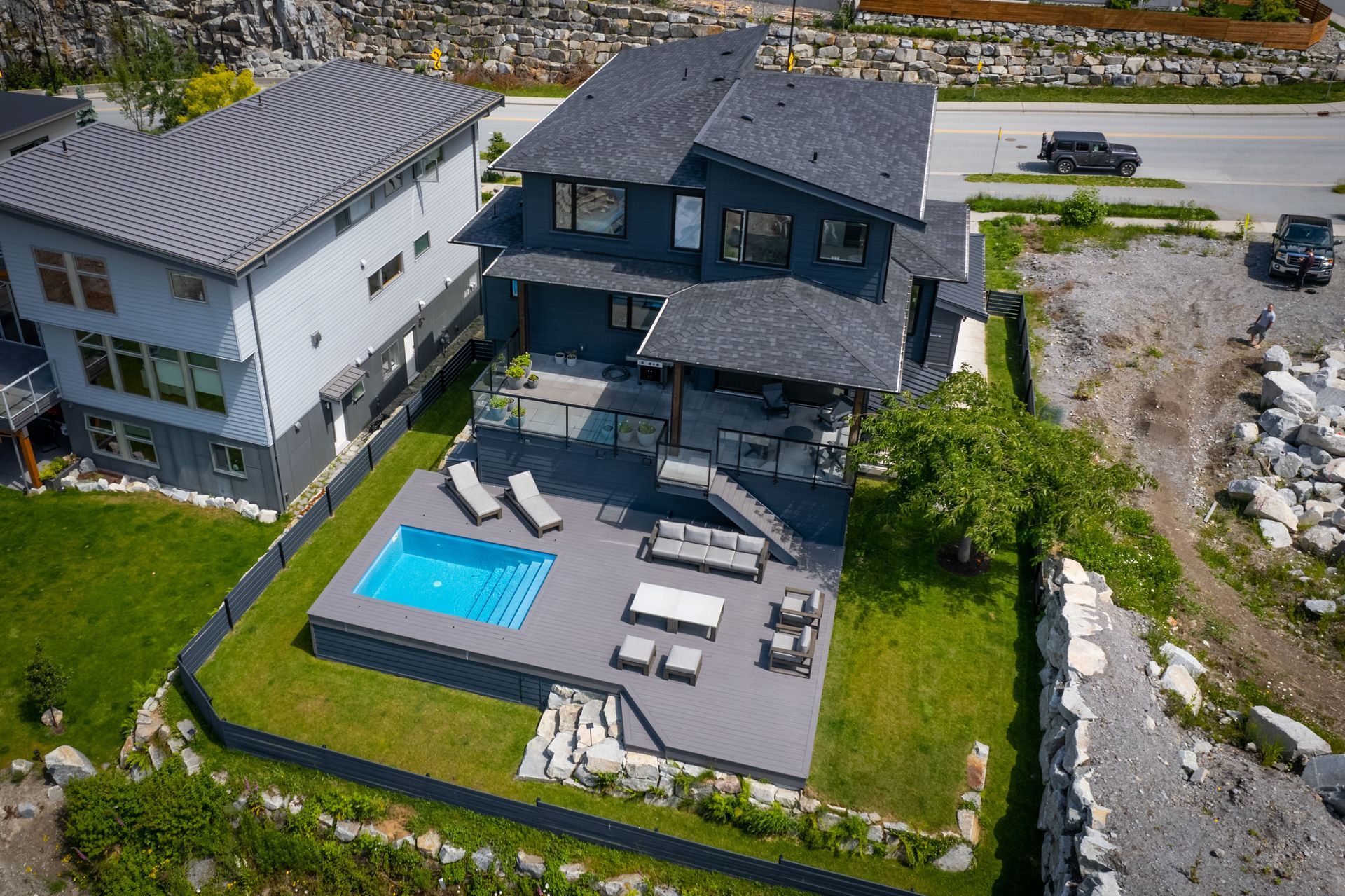
The finishing touches outside the home include:
- Driveways
- Retaining walls
- Fencing
- Patios
- Lawns
- Irrigation
- Planting
- Outdoor lighting
A thoughtfully designed landscape adds curb appeal and extends your living space outdoors.
Step 11: Final Inspections and Occupancy
Before moving in, the municipality conducts final inspections.
Once everything has been approved, you’ll receive occupancy approval, allowing you to officially move into your new home.
Your builder will also complete a walkthrough, address any deficiencies, and explain home systems and warranty coverage.
How Long Does It Take?
Every project is different, but most custom homes on the North Shore take approximately 18–30 months from the initial planning stages to move-in. Factors such as permitting, site conditions, design complexity, and contractor availability all influence the overall timeline.
Final Thoughts
Building a custom home is one of the most rewarding investments you can make, but it’s also one of the most complex. Success starts long before construction begins—with choosing the right property.
As a North Vancouver Realtor, I regularly help clients evaluate redevelopment opportunities, identify lots with strong building potential, and connect them with trusted architects, builders, and consultants. The right guidance at the beginning of the process can save months of delays and thousands of dollars in unexpected costs.
Thinking about building a custom home in North Vancouver? I’d be happy to help you identify the right property, explain what’s possible on different lots, and connect you with experienced professionals to bring your vision to life. Reach out anytime to start the conversation.